Bathroom Fittings Shop in Ahmedabad: Make Practical Choices for Plumbing and Everyday Use
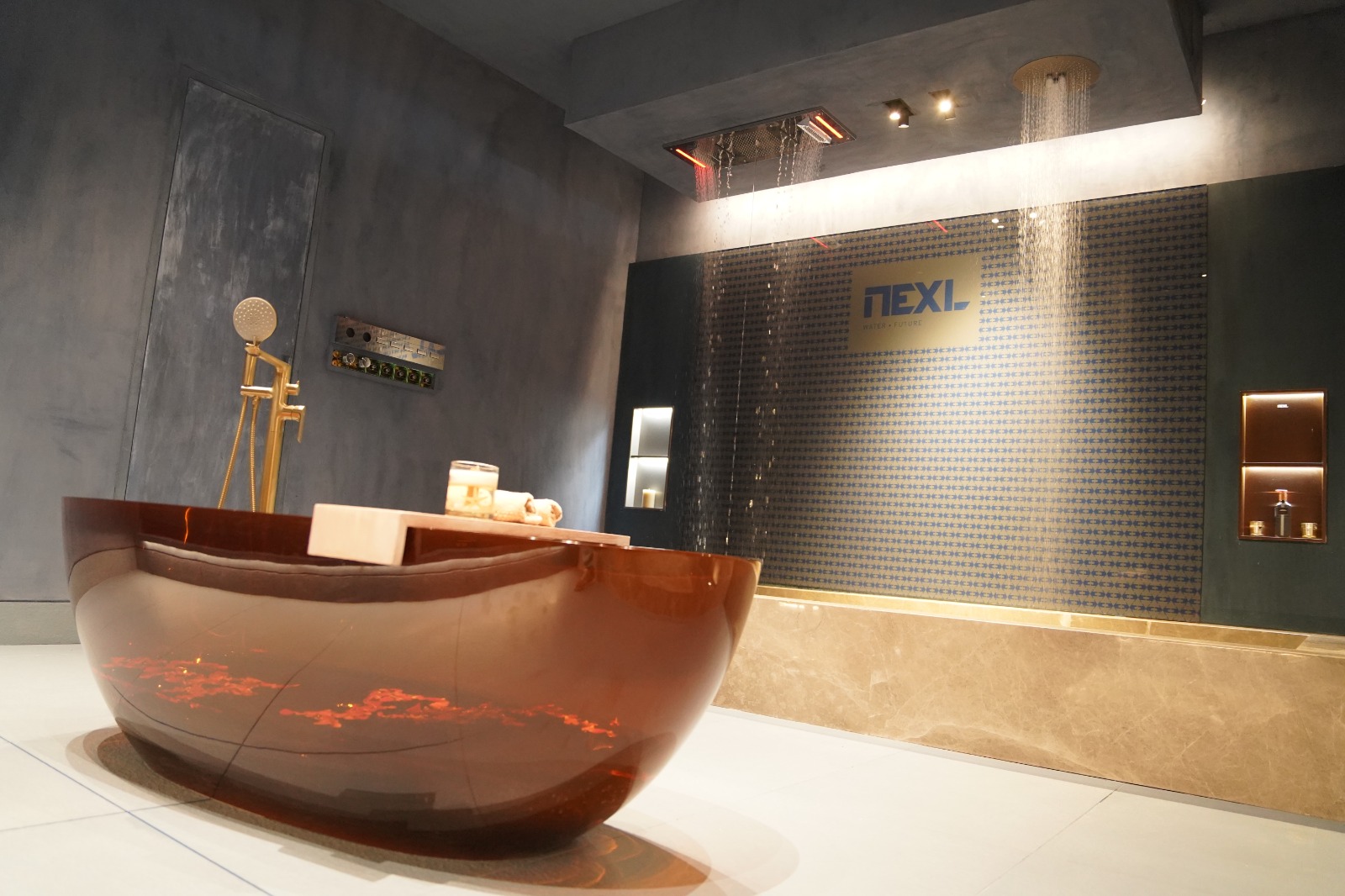
A bathroom may appear perfectly arranged on display but become less practical after the fittings are installed in your home. Problems may include limited space beneath a basin tap, awkwardly positioned shower controls or cabinet doors that obstruct the toilet. These inconveniences often develop because individual products are selected before their combined operation is considered. Effective bathroom planning begins by considering the layout, water connections and daily habits of the household.
For homeowners comparing a bathroom fittings shop in Ahmedabad, the most useful approach involves creating a purchasing plan based on practical requirements. Although appearance is important, measurements, water supply, maintenance needs and access for repairs deserve similar consideration. Whether you intend to replace several ageing fixtures or undertake a complete bathroom renovation, recognising these relationships can improve your decisions. Well-considered fittings should continue to support everyday routines after the novelty of a renovated bathroom has passed.
Understand What Needs Improving in Your Bathroom
Start by identifying the difficulties you want to resolve before selecting finishes or exploring shower designs. You may find that the washbasin area feels congested each morning, the shower temperature is awkward to adjust, or there is no practical place for towels to dry. A replacement project becomes easier to manage when every new fitting addresses a specific everyday inconvenience. Otherwise, it becomes possible to invest heavily in attractive upgrades without fixing the inconveniences that prompted the renovation.
Assess the bathroom's users and how their daily routines influence the fittings they require. A family bathroom shared by several people may benefit from straightforward controls, reachable storage and easily cleaned surfaces. Smaller guest bathrooms might need more compact fixtures to preserve adequate room for movement. Where hand strength is restricted, the choice between levers and small knobs can influence how comfortably controls are operated. Recording these needs helps you compare products according to everyday convenience rather than appearance alone.
Document Your Bathroom Layout Before Shopping
Accurate bathroom planning requires attention to details beyond the main room dimensions. Your measurements should identify the door and its swing, window positions, water connections and any protruding architectural features. Measure usable space beside the washbasin as well as the room available around the toilet. Even a visually appealing fitting may be impractical when it reduces the area needed to stand, lean forward or move around the bathroom.
Bringing photographs alongside a simple dimensioned drawing can help make a visit to a bathroom fittings shop in Ahmedabad more productive. Show the existing basin, visible connections and the parts of the room that may be affected by your planned improvements. If the pipework cannot be seen, its arrangement should be confirmed by the installer before choosing a replacement. Final site measurements are particularly important for fitted furniture, glass enclosures and wall-mounted fixtures where there is little room to make changes.
Separate Simple Replacements from Plumbing Changes
Changing an exposed tap for a suitable alternative involves different work from installing a wall-mounted mixer in place of the existing fitting. The wall-mounted option may involve changing pipework, repairing wall surfaces and coordinating the installation with the final finish. A different toilet arrangement or concealed shower control can affect the underlying installation as well as the external appearance. Establishing the full installation scope early can stop an apparently straightforward upgrade from becoming a more extensive job than anticipated.
For a modest bathroom refresh, first establish which existing plumbing connections can be retained. During a full renovation, finalise the positions of fittings before completing the pipework and wall surfaces. Hidden installation parts should match their visible operating controls, and their depth must take the finished wall into account. Check that the entire installation configuration is suitable before buying individual parts. Extra care is needed when mixing components from separate ranges or retaining portions of the current installation.
Match the Basin and Tap as One Working Pair
The washbasin and tap need to function as a coordinated pair, with their sizing influencing everyday washing comfort. The height of the spout, how far it projects and where water leaves the outlet each affect usability. Combining a tall tap with a shallow basin may increase splashing, whereas a short spout can restrict the space available for your hands. Everyday performance also depends on the point where the flowing water meets the inside of the basin.
Check if the washbasin has its own tap opening, needs a hole cut into the counter or is intended for a wall-mounted tap. Installation can additionally depend on counter thickness and the room available for mounting components. Do not overlook drainage components, as the selected waste must suit the basin's overflow arrangement. Cabinet-mounted basins require consideration of how the trap and pipes will fit within the furniture. Plumbing inside a vanity unit may reduce the practical storage offered by an otherwise roomy drawer.
Understand the Water Supply Before Choosing a Shower
A large shower head does not necessarily deliver a better showering experience. How well a shower operates is determined by its specifications and the home's existing water supply. Although pressure and water flow influence one another, they are different measurements and may need individual checks. A shower that works well on display might behave differently at home, especially if other water outlets are being used at the same time.
Ask the installer to establish whether the intended shower configuration is suitable for the existing hot-water supply. Handheld showers, overhead shower heads and body outlets may demand different levels of supply performance. Check that the selected controls can operate the particular outlet combinations you intend to use. Temperature-regulating features have their own operating conditions and cannot be considered separately from the plumbing. A dependable shower setup supported by the existing plumbing is preferable to including more outlets without confirming their suitability.
Design the Shower Space for Comfortable Use and Maintenance
The shower area should provide adequate room for movement, convenient access to controls and straightforward cleaning. Think about the steps involved in entering the shower, changing position and accessing washing products. Protruding handles, badly positioned shelves or glass doors that open inward may create problems in a small enclosure. Plan where the water outlet sits in relation to the enclosure opening and the intended water-containment arrangement.
Including a handheld outlet can support cleaning and different bathing preferences when the holder and hose are conveniently arranged. Shelves should remain easy to reach without getting in the way of movement. Have the installer check finished measurements, wall positioning and the drainage arrangement before finalising shower glass. Shower screens will not resolve unsuitable drainage falls or poorly completed waterproofing. Such underlying issues require attention before the work is covered and access becomes difficult.
Select Bathroom Finishes That Suit Your Maintenance Habits
Finishes affect the relationship between taps, tiling, mirrors and furniture, although maintenance deserves consideration alongside design. Different finishes reveal fingerprints, water deposits and cleaning residue differently, particularly across polished, textured and darker surfaces. Water conditions, lighting and how often the surfaces are cleaned can influence the result. No decorative finish should be expected to stay completely spotless without maintenance.
While assessing finish samples, check the manufacturer's recommended cleaning methods and any limits on chemicals or abrasive equipment. The treatment suitable for surrounding tiles or ceramics may not be appropriate for coated fittings. Where the current bathroom regularly develops mineral marks, consider the water conditions when deciding on surface finishes. If possible, view the selected colours under comparable lighting before confirming your Bathroom fittings shop in ahmedabad choices. Descriptions such as brushed gold and matt black do not necessarily mean different manufacturers produce identical shades.
Position Bathroom Accessories for Everyday Convenience
Bathroom accessories are frequently purchased after the larger fittings, although their placement can make a substantial difference to usability. Position towel rails where someone can easily reach a towel after using the shower or basin. A dispenser needs an accessible position that does not crowd the space surrounding the basin. Cabinets and shelves should accommodate real household requirements, from spare toiletries to larger bottles and cleaning supplies.
Decide where accessories will be fixed before drilling, especially where concealed plumbing or waterproofed shower walls may be affected. Some mounting positions may need appropriate backing or specialist fixing arrangements. Where a support rail is required, select a fitting intended for that purpose and ensure its installation is properly assessed. A standard towel rail is not a substitute for a proper support aid. Mirror and cabinet locations also need to account for tap height, lighting and door clearance to avoid creating new obstructions.
Clarify Product Questions During Your Shop Visit
Convenience may motivate someone to look for a bathroom fittings shop near me, yet choosing suitable products involves more than finding a nearby store. The visit should provide an opportunity to clarify dimensions, understand how fittings work and check whether they suit the planned installation. Bring your bathroom measurements and explain whether the project involves straightforward replacements or changes to the layout. Providing this information helps direct attention towards suitability rather than making decisions from displays alone.
If display models permit hands-on testing, operate the controls, assess spout proportions and inspect surfaces where cleaning may be necessary. Find out which parts are supplied with each fitting and which items have to be purchased separately. A shower's visible trim may, for example, depend on a hidden installation body that is not included in the same purchase. Confirm the exact product code and selected surface finish instead of relying on pictures alone. Clear written technical details help the installer verify that the selected products match the bathroom's requirements.
Consider Total Purchase Costs and Future Servicing Requirements
An effective bathroom budget covers the selected fixtures, the components essential for installation and the labour needed to make everything operational. Additional costs may arise from drainage fittings, pipe traps, connection pieces, hidden installation bodies and fixing equipment. The cost may also rise when plumbing alterations, wall or floor repairs and enclosure fitting are required. A comparison of complete fitting packages is more informative than judging costs from the price of a single tap or shower outlet.
Long-term servicing is another important consideration, particularly when products have concealed components. Check how internal serviceable parts can be accessed and whether suitable replacements are available. Review the warranty terms for applicable limitations, exclusions and the steps or obligations involved in a claim. Keep product identification details alongside receipts and other purchasing documentation. Although a coordinated bathroom appearance is desirable, being able to maintain frequently used fittings can be equally important throughout their service life.
Manage Bathroom Installation and Completion Checks
Before agreeing to an installation date, verify that every essential component is available. Delays involving concealed parts may affect plumbing progress, just as late delivery of a washbasin may affect work on the countertop. Compare delivered goods with the order and look for visible damage before installation begins. Verify that the delivered finishes are correct and the accompanying components are appropriate for the planned setup.
Ensure the installer can refer to the supplied instructions and settle uncertain details before carrying out work that could be difficult to reverse. Concealed plumbing connections should undergo appropriate checks before they become inaccessible. Once installation is finished, operate each control, examine visible joints, test drainage and check that cabinet and enclosure doors open freely. Respect the recommended curing times for sealants and other materials before the newly fitted bathroom is put into service. Completing these checks helps ensure the separate products function together as a practical bathroom arrangement.
Conclusion
Choosing appropriate bathroom fixtures is easier when decisions are based on the room's water connections, dimensions and everyday use. Begin by identifying the problems that need attention, confirming measurements and comparing complete product arrangements. When visiting a bathroom fittings shop in Ahmedabad, focus on clarifying installation compatibility, cleaning needs and maintenance requirements alongside visual design. A thoughtfully selected combination of taps, showers, sanitaryware and accessories can make the space more comfortable, easier to clean and more practical to maintain.